


NHRC, India participates in the First Consultative Meeting of NHRIs, State Bodies and other organisations of SCO Member States responsible for the protection of human rights and freedoms held in Bishkek, Kyrgyzstan
Press Release
National Human Rights Commission
New Delhi: 23rd June 2026
NHRC, India participates in the First Consultative Meeting of NHRIs, State Bodies and other organisations of SCO Member States responsible for the protection of human rights and freedoms held in Bishkek, Kyrgyzstan
Chairperson, Justice V. Ramasubramanian lauds it as a timely initiative for the human rights discourse in the region
Highlights NHRC, India’s ITEC Capacity Building Programme for NHRIs and the value of structured learning, dialogue and cross-border engagement in strengthening institutional capacities
The National Human Rights Commission (NHRC), India led by the Chairperson, Justice V. Ramasubramanian today participated virtually in the First Consultative Meeting of National Human Rights Institutions, State Bodies and other Organisations of the Shanghai Cooperation Organisation (SCO) Member States responsible for the protection of human rights and freedoms held in Bishkek, Kyrgyz Republic. NHRC, India Secretary General, Shri Bharat Lal and Joint Secretary, Shri Samir Kumar were present. The meeting was attended by the Ombudsperson of the Kyrgyz Republic, the Deputy Secretary-General of the SCO, Chairpersons and Heads of National Human Rights Institutions (NHRIs) and other relevant bodies from Russia, China, Iran, Pakistan, Uzbekistan, Kazakhstan, Tajikistan and Belarus, along with distinguished delegates and experts.
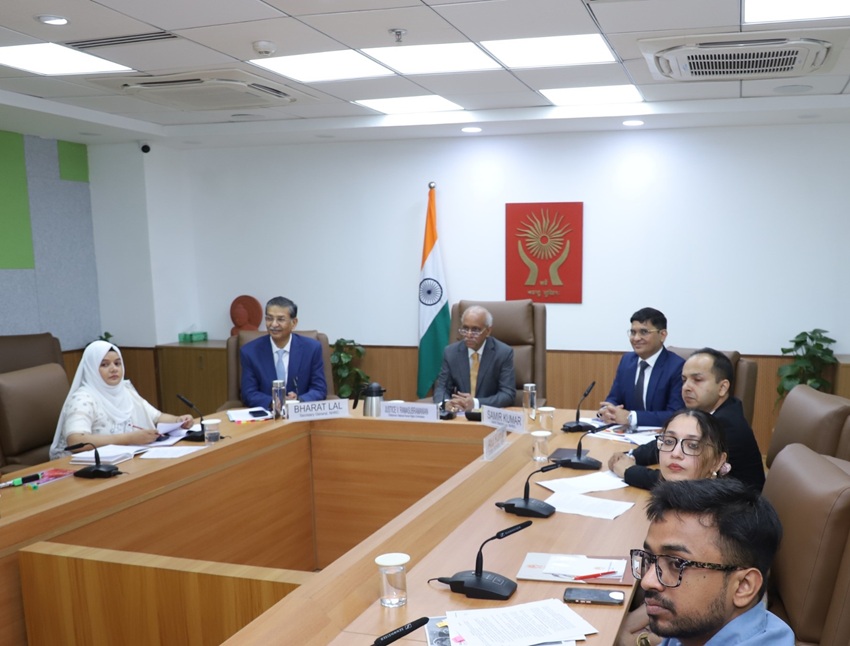
Addressing the meeting, Justice Ramasubramanian commended the Kyrgyz Republic for its leadership in convening the first consultative meeting under its SCO Chairmanship. He said that the proposal for regular consultative interaction among NHRIs and related bodies is both timely and forward-looking. It would promote meaningful dialogue, mutual understanding and practical cooperation in addressing contemporary socio-economic and geo-political challenges. He emphasised that NHRIs play an important role in strengthening trust between the State and society and fostering social stability.
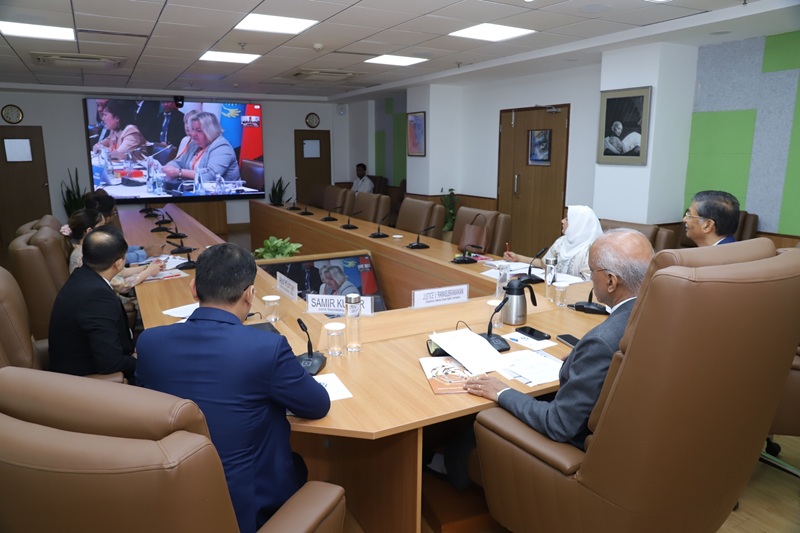
He underscored that regional cooperation should be guided by the principles of respect for State sovereignty, non-interference in internal affairs, equality and mutual consideration of national interests. He welcomed the objectives contained in the draft protocol relating to the exchange of information, dissemination of best practices, expert cooperation and development of coordinated approaches to human rights issues. He noted that regular exchanges among institutions would facilitate mutual learning and enhance institutional effectiveness.
Justice Ramasubramanian highlighted NHRC’s Indian Technical and Economic Cooperation (ITEC) Capacity Building Programme for NHRIs and the value of structured learning, dialogue and cross-border engagement in strengthening institutional capacities.
He reaffirmed NHRC India’s support for deeper cooperation within the SCO framework and expressed confidence that the consultative mechanism would evolve into an important platform for dialogue, cooperation and exchange of experiences among institutions dedicated to the promotion and protection of human rights and freedoms.
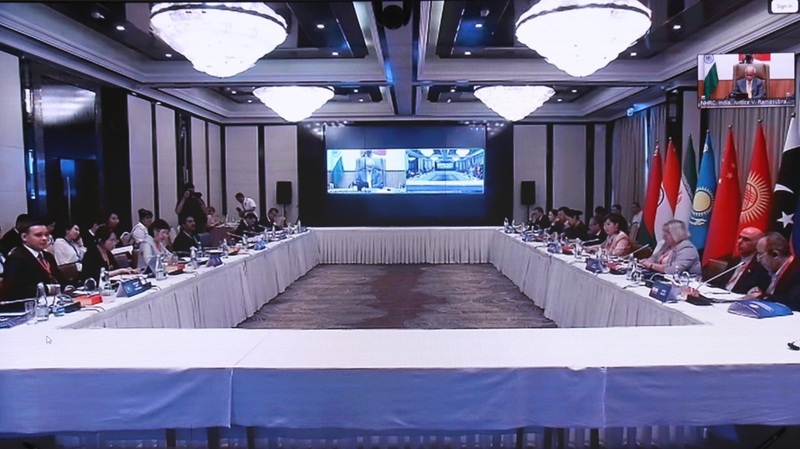
Addressing a session on prospects for consultative cooperation within the SCO on the lines of existing judicial cooperation mechanisms, Justice Ramasubramanian suggested that NHRIs could hold regular seminars, training programmes and interactions in online, offline and hybrid modes to facilitate the sharing of best practices. He highlighted that NHRC, India, established in 1993, has dealt with nearly 2.37 million cases of human rights violations over the past 32 years, providing valuable institutional experience that could be shared with other member States. He added that institutions across SCO member States possess rich experiences from which all could benefit through sustained engagement.
He expressed hope that the first consultative meeting would lay the foundation for a durable and practical framework for regional human rights cooperation based on mutual respect, exchange of experiences and a shared commitment to human dignity.
***